Auckland Cabbage Tree Removal (Tī Kōuka)
Removal for Cordyline australis — a native tree often mistaken for a palm, and just as often protected under the same council rules.
Cabbage Tree Removal in Auckland
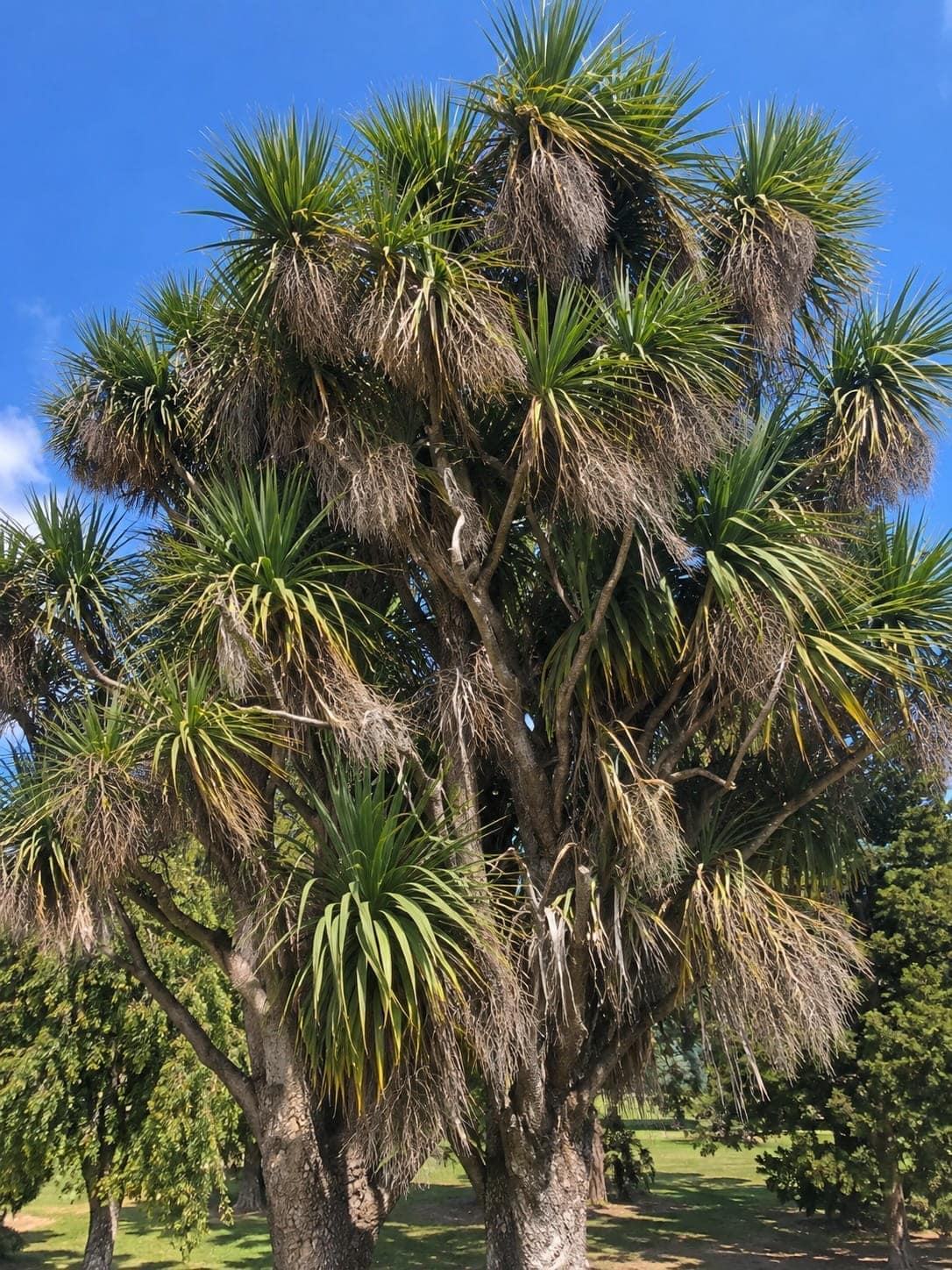
Cabbage tree removal in Auckland comes with the same careful, consent-first approach as native palms, since Cordyline australis is frequently protected despite being mistaken for an ordinary palm. Its spiky crown looks palm-like from a distance, but it’s a true native tree that can branch after flowering and is sometimes affected by sudden decline, a phytoplasma-related dieback documented in New Zealand since the late 1980s. We check protection status first, then assess health before recommending any course of action.
- Frequently mistaken for a palm
- Often protected under native tree rules
- Can develop sudden decline disease
- Branches into multiple crowns after flowering
- Sometimes grows in multi-trunk clusters
- Long dead leaves need periodic clearing
- Consent checked before any removal
Get a Free Estimate
Tell us the height and how close it sits to the house — most palms can be quoted from a photo.
What Is a Cabbage Tree?
The tall, spiky crown looks palm-like from a distance, but Cordyline australis is a true native tree with its own growth habits and protections — and just as often protected under the same council rules as a native palm.
We confirm the tree’s protection status before discussing removal, and check for sudden decline disease, which has affected New Zealand cabbage trees since the late 1980s and can change the approval outcome.
Not a Palm, but Treated With the Same Care
The tall, spiky crown looks palm-like from a distance, but Cordyline australis is a true native tree with its own growth habits and protections.
Often mistaken for a palm
The tall, spiky crown looks palm-like, but it’s a true native tree with its own distinct biology and protections.
Watch for sudden decline
A phytoplasma-related dieback has affected NZ cabbage trees historically, causing rapid yellowing and death.
Branches after flowering
Unlike a palm, a mature specimen forks into multiple branching crowns as it ages.
Commonly protected by council
Native status means many removals require consent regardless of the tree’s condition.
Often grows in clusters
Naturally occurring or planted clumps mean assessment sometimes covers several trunks at once.
Long dead leaves persist
Sword-like dead leaves hang on the trunk after dying, needing periodic clearing even on a healthy tree.
When Is Auckland Cabbage Tree Cutting Appropriate?
Cutting suits a Cabbage Tree once it has branched into a heavy, forked crown, which typically happens with age or after flowering. Multi-trunk clusters or specimens affected by sudden decline may also need sectioned handling, particularly where consent has been confirmed and the tree sits close to structures or a boundary.
- Heavily forked, multi-crown structure from age
- Multi-trunk cluster requiring staged removal
- Confirmed sudden decline affecting structural integrity
- Consent confirmed and removal approved
- Located near a fence, structure or boundary
- Tight access preventing a full-length drop
- Long dead leaves adding uneven crown weight
Cabbage Tree Stump Removal in Auckland
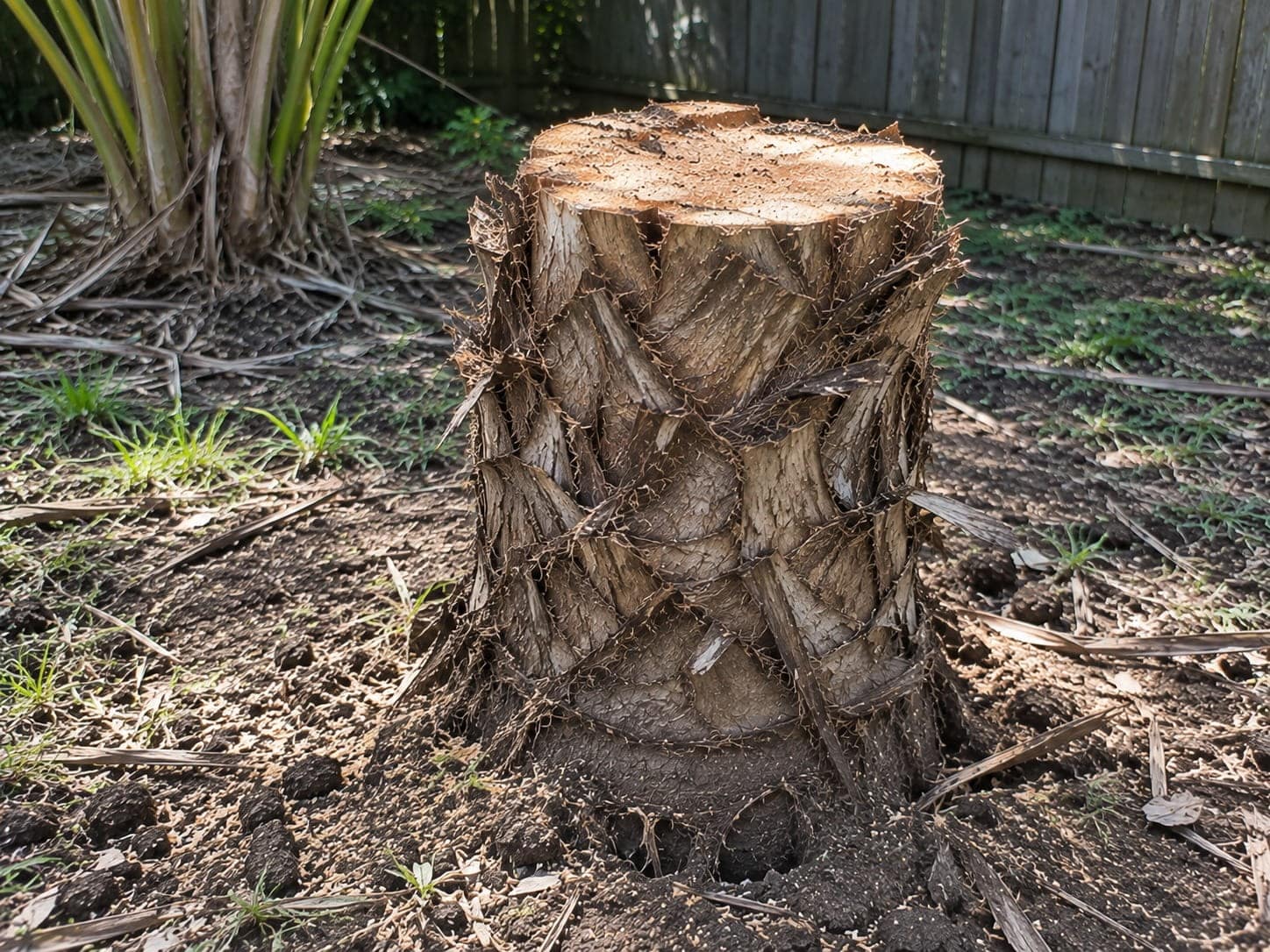
Cabbage tree stumps are often left when removal followed a sudden decline diagnosis, with owners understandably more focused on dealing with a dying tree than planning the stump afterwards. Left in the ground, a multi-trunk stump can be surprisingly bulky and awkward to work around, particularly in a lawn or garden bed. Because the species can regrow from a stump in some conditions, leaving it isn’t always the tidy end owners expect. Grinding it out prevents unexpected regrowth and clears the area fully, especially useful if a replacement native planting is going in nearby.
Safe Cabbage Tree Removal in Auckland
- 01
Consent check first
We confirm the tree’s protection status under Auckland Council rules before discussing removal.
- 02
Health & disease assessment
We check for signs of sudden decline or other damage that may affect the approval outcome.
- 03
Permitted removal
Where removal is confirmed and approved, the tree is taken down in controlled sections.
- 04
Site cleanup
All branches, leaves and trunk material are cleared from site once work is complete.
Where you likely stand
How Much Does Cabbage Tree Removal Cost in Auckland?
Where removal is confirmed and approved, pricing sits close to a standard small tree removal, with consent handled separately.
Frequently Asked Questions
Is a cabbage tree really protected like a native palm?
Often yes, under the same notable or native tree rules — we check this first, before any discussion of removal.
What is “sudden decline” disease?
A phytoplasma-related illness that has affected New Zealand cabbage trees since the late 1980s, causing rapid yellowing and dieback.
Can I just tidy the dead leaves instead of removing it?
Yes, this is a common lighter-touch option for an otherwise healthy tree, and doesn’t typically require consent.
Does a dying tree still need consent?
Often still checked, but confirmed disease or death generally improves the likelihood of approval.