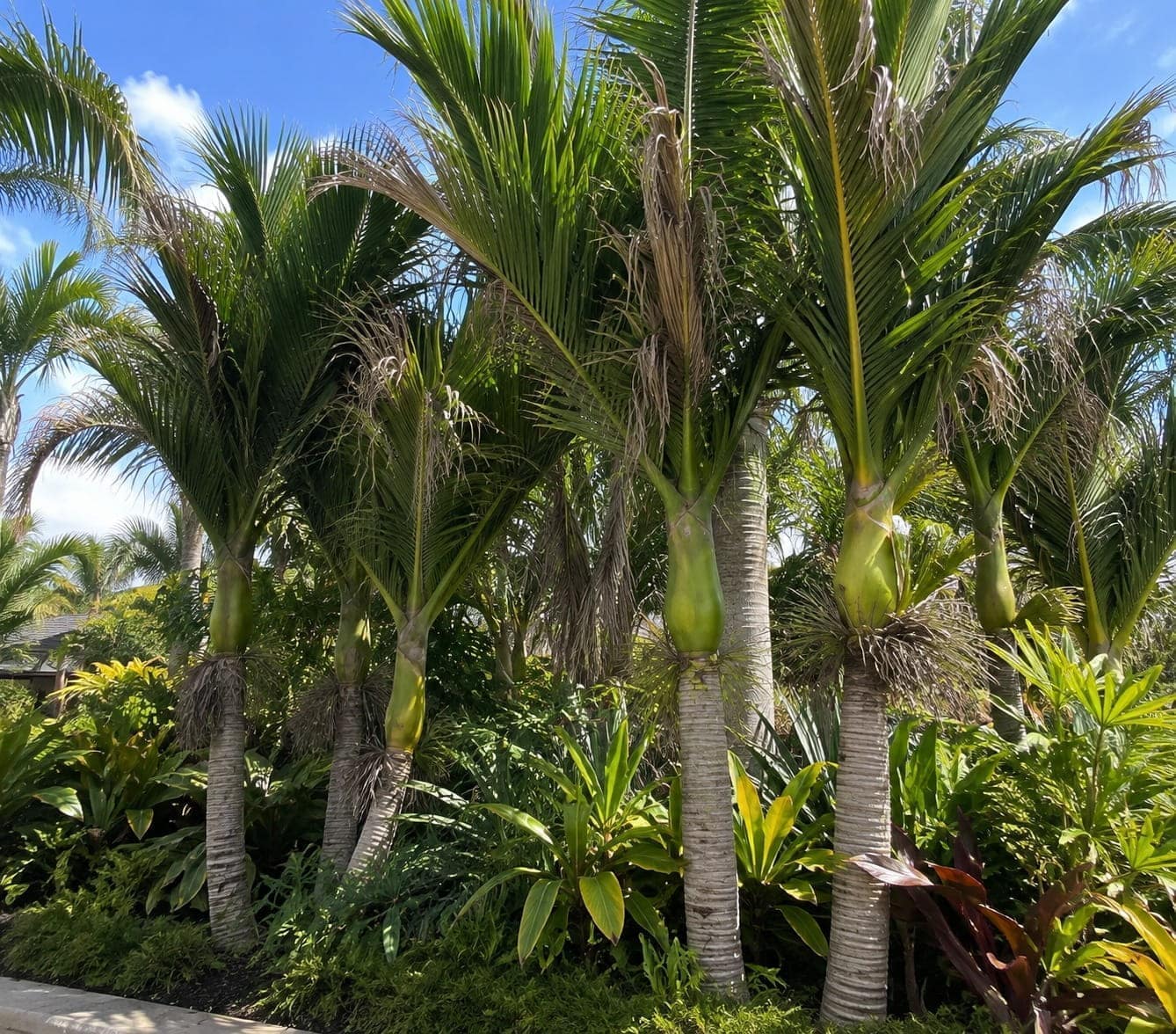
Auckland Nikau Palm Removal
Careful, consent-first removal for Rhopalostylis sapida — Auckland’s only native palm, and a culturally significant species that’s often protected regardless of its condition.
Nikau Palm Removal in Auckland
Nikau palm removal in Auckland starts from a different place entirely, since Rhopalostylis sapida is New Zealand’s only native palm and often protected regardless of condition. Before any discussion of removal, we check the property’s specific council rules, since native and notable tree schedules commonly apply. Where a Nikau is confirmed dead or genuinely hazardous, approval becomes more likely, but a healthy specimen is generally left in place given its slow growth and cultural significance.
- New Zealand’s only native palm species
- Often protected under council rules
- Consent checked before any removal discussion
- Extremely slow-growing, decades to mature
- Distinctive swollen green crownshaft
- Culturally and ecologically significant
- Removal more likely once confirmed dead
Get a Free Estimate
Tell us the height and how close it sits to the house — most palms can be quoted from a photo.
What Is Nikau?
Nikau is New Zealand’s only native palm, and removal here starts from a very different place to any introduced species — consent, not condition, is usually the first question.
Many Nikau fall under notable tree or native species protections regardless of their health, so we confirm your property’s specific rules before discussing any removal option at all. Where removal is approved, we handle the council paperwork as part of the job.
What Sets This Species Apart
Nikau is New Zealand’s only native palm, and removal here starts from a very different place to any introduced species — consent, not condition, is usually the first question.
Protected under council rules
Many Nikau fall under notable tree or native species protections, regardless of their condition.
Removal starts with a consent check
We confirm the property’s specific rules before discussing any removal option at all.
Extremely slow-growing
A mature Nikau may represent decades of growth, worth confirming removal is genuinely necessary first.
Some removed due to death or disease
Even protected specimens can be approved for removal once confirmed dead or genuinely hazardous.
Swollen green crownshaft
A recognisable native feature requiring careful handling separate from introduced palm species.
Culturally and ecologically important
Nikau hold importance beyond the garden, which we factor into every conversation about removal.
When Is Auckland Nikau Palm Tree Cutting Appropriate?
Cutting a Nikau is approached with particular caution, since consent almost always needs confirming before any method of removal is discussed. Where removal has been approved, usually following confirmed death or genuine hazard, sectioned cutting protects the distinctive crownshaft and surrounding native plantings that are often growing nearby.
- Consent confirmed and removal formally approved
- Height or lean making a full drop unsafe
- Surrounding native bush or plantings needing protection
- Located within a heritage or notable tree area
- Crownshaft requiring careful, non-damaging handling
- Confirmed dead rather than simply unhealthy
- Site access limited by established garden growth
Nikau Stump Removal in Auckland
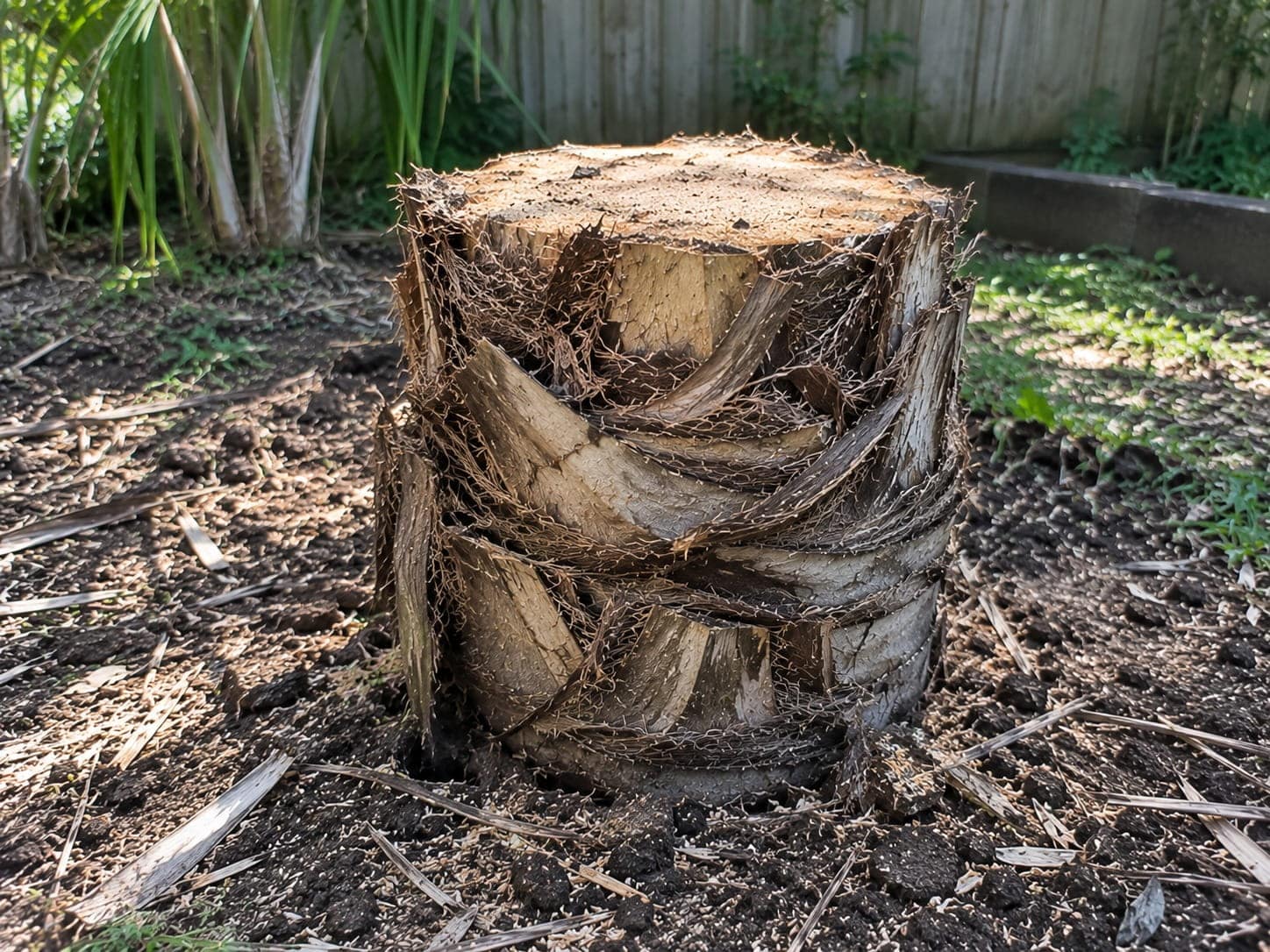
Nikau stumps are sometimes left in place longer than other species simply because removal itself required consent, and grinding gets treated as a lower priority once the main approval process is done. Given the tree’s slow growth and native status, some owners also choose to leave the stump as a marker or out of respect for what stood there. Where the site is being replanted, either with another native specimen or general garden work, grinding is worth doing properly. It clears root material fully and avoids an awkward stump sitting in an otherwise thoughtfully replanted native garden bed.
Safe Nikau Palm Removal in Auckland
- 01
Consent check first
We confirm your Nikau’s protection status under Auckland Council rules before anything else.
- 02
Health & condition assessment
If alive and healthy, we’ll talk through whether removal is likely to be approved at all.
- 03
Careful, permitted removal
Where removal is confirmed and approved, sections are handled with particular care given the crownshaft.
- 04
Site cleanup
All material is cleared from site once work is complete.
Where you likely stand
How Much Does Nikau Palm Removal Cost in Auckland?
Where removal is confirmed and approved, pricing sits close to a standard small palm removal, with consent handled separately.
Frequently Asked Questions
Can I remove a Nikau on my property without consent?
Often no — check Auckland Council rules first. We handle this check as part of any quote before discussing removal further.
What if it’s already dead?
Still worth confirming consent status, but removal is far more likely to be approved once death is confirmed.
Why is Nikau protected?
It’s New Zealand’s only native palm and holds real ecological and cultural significance, often specifically listed in council tree schedules.
Do you handle the consent process yourselves?
Yes — we manage the paperwork and process as part of the job, so you’re not navigating council rules alone.